Tracked shipping to New Zealand with premium packaging for just NZ$15 

Ship to
New Zealand
0
  • argentina
  • chile
  • colombia
  • españa
  • méxico
  • perú
  • estados unidos
  • internacional

Select your country

Americas

Europe

Rest of the world

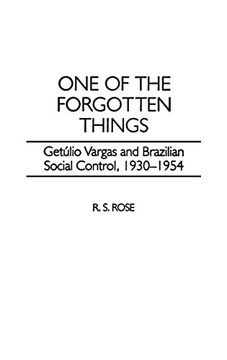
portada One of the Forgotten Things: Getulio Vargas and Brazilian Social Control, 1930-1954 (Contributions in Latin American Studies)
Type
Physical Book
Publisher
Year
2000
Language
English
Pages
256
Format
Hardcover
ISBN
031331358x
ISBN13
9780313313585
Edition No.
1

One of the Forgotten Things: Getulio Vargas and Brazilian Social Control, 1930-1954 (Contributions in Latin American Studies)

R. S. Rose (Author) · Praeger · Hardcover

One of the Forgotten Things: Getulio Vargas and Brazilian Social Control, 1930-1954 (Contributions in Latin American Studies) - R. S. Rose

New Book Imported to New Zealand
Delivery: 12 Aug - 19 Aug Shipping: 5 to 6 business days.
NZ$ 254.84
Import costs and 15% GST included in the price ✅
NZ$ 254.84

Synopsis "One of the Forgotten Things: Getulio Vargas and Brazilian Social Control, 1930-1954 (Contributions in Latin American Studies) "

An examination of the long-ignored vicious side to the legend of Brazilian President Getulio Dornelles Vargas, this is the tale uncovered by the first civilian to spend months in the secret police archives of Rio de Janeiro. Rose has utilized new eyewitness testimony and insider information in offering explanations to several events that proved pivotal in Brazil during the 1930s and 1940s. During Vargas's tenure, the quality and quantity of human rights abuses reached unprecedented heights. Violence, as a means of coercing the public, was evident in all sectors of the security apparatus. Several tools of torture developed during the hunt for communists are still in use today. Almost by definition, politicians have to offer a semblance of providing something for each different sector of society. Vargas was better at this than his predecessors in that with ease he proudly wore the various vestments of dictator, fascist, democrat, and populist as necessary. For the poor, he was the paternalistic benefactor; for the middle class, he was the one who brought stability; and for the wealthy, he supported the status quo. This ability to juggle forces and interests was grounded in his security apparatus. Beginning with the unsuccessful Communist Revolution of 1935, the nation's police forces redefined and in some cases reinvented the torture that had occurred in Brazil from colonial times onward. The harshness of their methods was matched only by the ardor of their example for coming generations.

Customers reviews

Frequently Asked Questions about the Book

All books in our catalog are Original.
The book is written in English.
The binding of this edition is Hardcover.

Questions and Answers about the Book

Do you have a question about the book? Login to be able to add your own question.

Opinions about Bookdelivery

More customer reviews