Tracked shipping to New Zealand with premium packaging for just NZ$15 

Ship to
New Zealand
0
  • argentina
  • chile
  • colombia
  • españa
  • méxico
  • perú
  • estados unidos
  • internacional

Select your country

Americas

Europe

Rest of the world

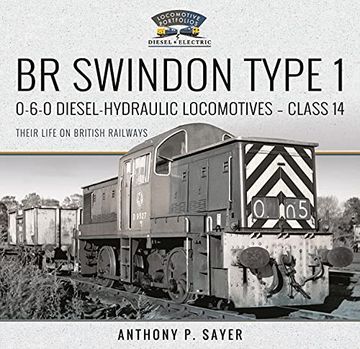
portada Br Swindon Type 1 0-6-0 Diesel-Hydraulic Locomotives - Class 14: Their Life on British Railways
Type
Physical Book
Year
2022
Language
English
Pages
216
Format
Hardcover
Dimensions
25.7 x 24.1 x 1.8 cm
Weight
1.13 kg.
ISBN13
9781526792372

Br Swindon Type 1 0-6-0 Diesel-Hydraulic Locomotives - Class 14: Their Life on British Railways

P. Sayer, Anthony (Author) · Pen and Sword Transport · Hardcover

Br Swindon Type 1 0-6-0 Diesel-Hydraulic Locomotives - Class 14: Their Life on British Railways - P. Sayer, Anthony

New Book Imported to New Zealand
Delivery: 01 Jul - 07 Jul Shipping: 3 to 3 business days.
NZ$ 70.53
Import costs and 15% GST included in the price ✅
NZ$ 70.53

Synopsis "Br Swindon Type 1 0-6-0 Diesel-Hydraulic Locomotives - Class 14: Their Life on British Railways"

In 1957, the Western Region of BR identified a need for 400 Type 1 diesel locomotives for short-haul freight duties but it was 1964 before the first was introduced. General-purpose Type 1s were being delivered elsewhere but WR management regarded these as too expensive for their requirements. After completion of design work on the 'Western' locomotives, Swindon turned to creating a cheap 'no-frills' Type 1. At 65% of the cost of the Bo-Bo alternative, the Swindon 0-6-0 represented a better 'fit' for the trip-freight niche. Since 1957 the privatized road-haulage industry had decimated BR's wagon-load sector; whilst the 1962 Transport Act released BR from its financially-debilitating public-service obligations, the damage had been done, and the 1963 Beeching Plan focused on closing unprofitable routes and associated services. By 1963 the original requirement for 400 Type 1s had been massively reduced. Fifty-six locomotives were constructed in 1964/65. Continuing traffic losses resulted in the whole class becoming redundant by 1969. Fortuitously, a demand for high-powered diesels on the larger industrial railway systems saw the bulk of the locomotives finding useful employment for a further twenty years. This book covers the life of these locomotives on British Railways; a companion volume will provide an extensive appraisal of "Their Life in Industry" for the forty-eight locomotives which made the successful transition after withdrawal from BR.

Customers reviews

Frequently Asked Questions about the Book

All books in our catalog are Original.
The book is written in English.
The binding of this edition is Hardcover.

Questions and Answers about the Book

Do you have a question about the book? Login to be able to add your own question.

Opinions about Bookdelivery

More customer reviews