Tracked shipping to New Zealand with premium packaging for just NZ$15 

Ship to
New Zealand
0
  • argentina
  • chile
  • colombia
  • españa
  • méxico
  • perú
  • estados unidos
  • internacional

Select your country

Americas

Europe

Rest of the world

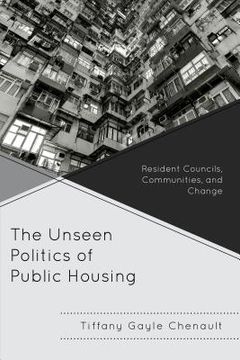
portada The Unseen Politics of Public Housing: Resident Councils, Communities, and Change
Type
Physical Book
Language
English
Pages
150
Format
Hardcover
Dimensions
23.1 x 15.5 x 1.5 cm
Weight
0.36 kg.
ISBN13
9780739165065

The Unseen Politics of Public Housing: Resident Councils, Communities, and Change

Tiffany Gayle Chenault (Author) · Lexington Books · Hardcover

The Unseen Politics of Public Housing: Resident Councils, Communities, and Change - Chenault, Tiffany Gayle

New Book Imported to New Zealand
Delivery: 07 Jul - 14 Jul Shipping: 4 to 5 business days.
NZ$ 279.67
Import costs and 15% GST included in the price ✅
NZ$ 279.67

Synopsis "The Unseen Politics of Public Housing: Resident Councils, Communities, and Change"

The Department of Housing and Urban Development (HUD) emphasizes the word "community" for building economic development, citizen participations, and revitalization of facilities and services in urban and rural areas. Resident Councils are one way to develop and build community among residents of public housing. Despite HUD stressing community building in public housing and investing money and policies around it, there are some resident councils that are not fulfilling the expectations of HUD. This book is my attempt to describe and explain HUD's expectations for the resident council as an active agent for community building and the actual practices of the resident council. I argue that policies and regulations of resident councils which exist to support the effectiveness of the resident council in creating and implementing community-building, self-sufficiency, and empowerment activities and goals in a public housing community may do more harm than good. The Department of Housing and Urban Development invests and spends billions on Public Housing Programs (6.6 billion in 2013). The majority of the 1.2 million people who live in public housing do not live in large urban areas with thousands of people confined to a certain space. The majority of public housing units (90%) have fewer than 500 units. These smaller units and the people that live in them tend to go unnoticed. This ethnographic case study focuses on explaining and understanding the factors and constraints that exist between HUD's expectations for the resident council as an active agent for community building and the actual practices of the resident council. To explain the disjunction--in fact, to determine if such disjunctions identified by Rivertown council members are real. Using the tenets of Critical Race Theory allows us to understand what forces--either real or imagined, structural or cultural--prevent the resident council from being an effective agent for change in the public housing community.

Customers reviews

Frequently Asked Questions about the Book

All books in our catalog are Original.
The book is written in English.
The binding of this edition is Hardcover.

Questions and Answers about the Book

Do you have a question about the book? Login to be able to add your own question.

Opinions about Bookdelivery

More customer reviews