Tracked shipping to New Zealand with premium packaging for just NZ$15 

Ship to
New Zealand
0
  • argentina
  • chile
  • colombia
  • españa
  • méxico
  • perú
  • estados unidos
  • internacional

Select your country

Americas

Europe

Rest of the world

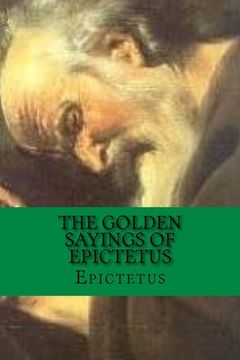
portada The Golden Sayings of Epictetus: Classic Literature
Type
Physical Book
Author
Publisher
Language
English
Pages
84
Format
Paperback
Dimensions
22.9 x 15.2 x 0.5 cm
Weight
0.14 kg.
ISBN13
9781545528983

The Golden Sayings of Epictetus: Classic Literature

Epicteto (Author) · Createspace · Paperback

The Golden Sayings of Epictetus: Classic Literature - Epictetus

New Book Imported to New Zealand
Delivery: 20 Aug - 27 Aug Shipping: 4 to 5 business days.
NZ$ 36.56
Import costs and 15% GST included in the price ✅
NZ$ 36.56

Synopsis "The Golden Sayings of Epictetus: Classic Literature"

"How then do men act?"The Golden Sayings of Epictetus is one of three key texts, along with the Meditations of Marcus Aurelius and Seneca's Letters From A Stoic, from which we know the philosophy of Stoicism.Epictetus (ca. 50-ca. 130 AD) primarily taught about the philosophy of happiness and virtue. To Epictetus, external happenings were determined by fate, and were therefore beyond human control. He believed that people could accept whatever happened to them in a calm and unemotional manner if they recognized that certain things were not under their control. Even though fate played a role in events, Epictetus still believed that individuals were responsible for their own actions.Although he was born into slavery and endured a permanent physical disability, Epictetus maintained that all people are free to control their lives and to live in harmony with nature. We will always be happy, he argued, if we learn to desire that things should be exactly as they are.
Epicteto
  (Author)
View Author's Page
Epictetus, or Epictetus, (in Greek: Επίκτητος [Epíktētos], ‘acquired’; Hierapolis,​ 55-Nicopolis, 135) was a Greek philosopher from the Stoic school who lived part of his life as a slave in Rome. As far as is known, he left no written works, but his teachings survive in an Enchiridion (Ἐγχειρίδιον) or Manual and his Discourses (Διατριβαί), both written by his disciple Flavius Arrian, as well as some fragments.
See more
See less

Customers reviews

Frequently Asked Questions about the Book

All books in our catalog are Original.
The book is written in English.
The binding of this edition is Paperback.

Questions and Answers about the Book

Do you have a question about the book? Login to be able to add your own question.

Opinions about Bookdelivery

More customer reviews