Tracked shipping to New Zealand with premium packaging for just NZ$15 

Ship to
New Zealand
0
  • argentina
  • chile
  • colombia
  • españa
  • méxico
  • perú
  • estados unidos
  • internacional

Select your country

Americas

Europe

Rest of the world

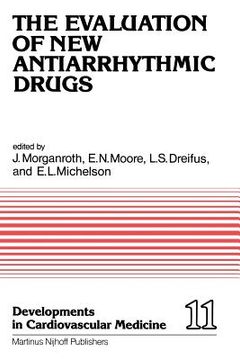
portada The Evaluation of New Antiarrhythmic Drugs: Proceedings of the Symposium on How to Evaluate a New Antiarrhythmic Drug: The Evaluation of New Antiarrhy
Type
Physical Book
Publisher
Language
English
Pages
340
Format
Paperback
Dimensions
23.4x15.6x1.8 cm
Weight
0.48 kg.
ISBN13
9789400982727

The Evaluation of New Antiarrhythmic Drugs: Proceedings of the Symposium on How to Evaluate a New Antiarrhythmic Drug: The Evaluation of New Antiarrhy

Morganroth, J. ; Moore, E. Neil ; Dreifus, L. S. (Author) · Springer · Paperback

The Evaluation of New Antiarrhythmic Drugs: Proceedings of the Symposium on How to Evaluate a New Antiarrhythmic Drug: The Evaluation of New Antiarrhy - Morganroth, J. ; Moore, E. Neil ; Dreifus, L. S.

Cheaper New Book Imported to New Zealand
Delivery: 07 Dec - 14 Dec Shipping: 15 to 16 business days.
NZ$ 133.54
Faster New Book Imported to New Zealand
Delivery: 23 Nov - 30 Nov Shipping: 5 to 6 business days.
NZ$ 161.85
Import costs and 15% GST included in the price ✅
NZ$ 133.54

Synopsis "The Evaluation of New Antiarrhythmic Drugs: Proceedings of the Symposium on How to Evaluate a New Antiarrhythmic Drug: The Evaluation of New Antiarrhy"

Thus, there are now several chronic canine myocardial infarction- ventricular tachyarrhythmia models which are available for the evaluation of new antiarrhythmic drugs (Table I). The available models fulfill many, but not all of the requirements for an ideal chronic arrhythmia model (Table 11). The sustained arrhythmias initiated in these models using programmed pacing presumably have the same localized reentrant mechanism that characterizes chronic human myocardial infarction and chronic coronary 26 artery disease. However, these models are not suitable for determining whether a new drug will abolish spontaneous ly-occurring PVCs. In addition, these models are of unproven value in the study of acute spontaneously- occurring sudden death; although recently initiated, provocative work may shed further light on this subject. Most importantly, the available models do seem well-suited to the evaluation of new drugs intended for use in chronic coronary artery disease patients at risk for sustained reentrant ventricular tachycardia or VF. Notably, the results of preliminary electropharmacologic studies in these canine models parallel closely those findings reported in human patients with sustained life-threatening ventricu- lar tachyarrhythmias (Table Ill). Therefore, increased use of these chronic models for new antiarrhythmic drug testing is strongly recommended. TABLE II Ideal vs Available Chronic Canine - Arrhythmia Models Ideal Available 1. (a) Arrhythmia mechanism comparable to Yes patients with chronic CAD: Reentry (b) Pathophysiology similar (e. g., atherogenic CAD) No 2. Susceptible to: (a) spontaneous PVCs No l No (b) spontaneous VT/VF (c) inducible VT/VF Yes 3.

Customers reviews

Frequently Asked Questions about the Book

All books in our catalog are Original.
The book is written in English.
The binding of this edition is Paperback.

Questions and Answers about the Book

Do you have a question about the book? Login to be able to add your own question.

Opinions about Bookdelivery

More customer reviews