Tracked shipping to New Zealand with premium packaging for just NZ$15 

Ship to
New Zealand
0
  • argentina
  • chile
  • colombia
  • españa
  • méxico
  • perú
  • estados unidos
  • internacional

Select your country

Americas

Europe

Rest of the world

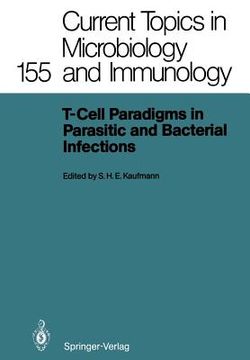
portada t-cell paradigms in parasitic and bacterial infections
Type
Physical Book
Publisher
Year
2012
Language
English
Pages
162
Format
Paperback
Dimensions
24.4x17x1 cm
Weight
0.29 kg.
ISBN
3642749852
ISBN13
9783642749858

t-cell paradigms in parasitic and bacterial infections

Stefan H. E. Kaufmann (Illustrated by) · Springer · Paperback

t-cell paradigms in parasitic and bacterial infections - Kaufmann, Stefan H. E.

Cheaper New Book Imported to New Zealand
Delivery: 29 Dec - 06 Jan Shipping: 16 to 17 business days.
NZ$ 258.27
Faster New Book Imported to New Zealand
Delivery: 10 Dec - 17 Dec Shipping: 6 to 7 business days.
NZ$ 315.35
Import costs and 15% GST included in the price ✅
NZ$ 258.27

Synopsis "t-cell paradigms in parasitic and bacterial infections"

It has been said that the development of vaccines against a variety of infectious diseases is among the greatest triumphs of immunology. Indeed, several pathogens have lost their horror through the availability of effective vaccination measures. Unfortunately, this does not hold true for the pathogens dealt within this volume. Malaria, schistosomiasis, leishmaniasis, leprosy, and tuberculosis together are prevalent in more than 100 countries, and over 400 million persons suffer from these diseases. It is becoming increasingly clear that the failure to control these infections in a satisfactory way is directly related to the complexity oftheir interactions with the immune system. These agents have lived with their hosts for long enough to give both-host and parasite-ample opportunity to develop a highly sophisticated interrelationship. The central role of T lymphocytes both in acquired resistance to and pathogenesis of these microbes is well appreciated. In the beginning it may have been thought that acq uired resistance against infectious agents is nothing but another aspect of the immune response, studied with soluble and particulate antigens. This simple concept has gradually changed, and it has become clear that the viability not only of the immune cells but also of the 'antigens' adds another dimension to the game. Several achievements in cellular immunology and molecular biology have now made it possible to better understand at least some mechanisms in this intricate interplay.

Customers reviews

Frequently Asked Questions about the Book

All books in our catalog are Original.
The book is written in English.
The binding of this edition is Paperback.

Questions and Answers about the Book

Do you have a question about the book? Login to be able to add your own question.

Opinions about Bookdelivery

More customer reviews