Tracked shipping to New Zealand with premium packaging for just NZ$15 

Ship to
New Zealand
0
  • argentina
  • chile
  • colombia
  • españa
  • méxico
  • perú
  • estados unidos
  • internacional

Select your country

Americas

Europe

Rest of the world

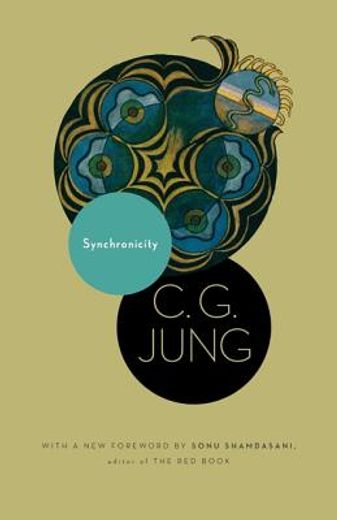
portada Synchronicity: An Acausal Connecting Principle. (From Vol. 8. Of the Collected Works of c. G. Jung): 08 (Jung Extracts)
Synchronicity: An Acausal Connecting Principle. (From Vol. 8. Of the Collected Works of c. G. Jung): 08 (Jung Extracts) Synchronicity: An Acausal Connecting Principle. (From Vol. 8. Of the Collected Works of c. G. Jung): 08 (Jung Extracts) Synchronicity: An Acausal Connecting Principle. (From Vol. 8. Of the Collected Works of c. G. Jung): 08 (Jung Extracts) Synchronicity: An Acausal Connecting Principle. (From Vol. 8. Of the Collected Works of c. G. Jung): 08 (Jung Extracts) Synchronicity: An Acausal Connecting Principle. (From Vol. 8. Of the Collected Works of c. G. Jung): 08 (Jung Extracts)
Type
Physical Book
Translated by
Year
2010
Language
English
Pages
152
Format
Paperback
Dimensions
21.3 x 14.0 x 1.3 cm
Weight
0.18 kg.
ISBN
9780691150505
ISBN13
9780691150505

Synchronicity: An Acausal Connecting Principle. (From Vol. 8. Of the Collected Works of c. G. Jung): 08 (Jung Extracts)

Carl Jung (Author) · Carl Gustav Jung (Author) · Sonu Shamdasani (Preface by) · R. F. C. Hull (Translated by) · Princeton University Press · Paperback

Synchronicity: An Acausal Connecting Principle. (From Vol. 8. Of the Collected Works of c. G. Jung): 08 (Jung Extracts) - Carl Gustav Jung

5 estrellas - de un total de 5 estrellas 1 review
New Book Imported to New Zealand
Delivery: 13 Aug - 20 Aug Shipping: 5 to 6 business days.
NZ$ 37.59
Import costs and 15% GST included in the price ✅
NZ$ 37.59

Synopsis "Synchronicity: An Acausal Connecting Principle. (From Vol. 8. Of the Collected Works of c. G. Jung): 08 (Jung Extracts) "

Jung was intrigued from early in his career with coincidences, especially those surprising juxtapositions that scientific rationality could not adequately explain. He discussed these ideas with Albert Einstein before World War I, but first used the term "synchronicity" in a 1930 lecture, in reference to the unusual psychological insights generated from consulting the I Ching. A long correspondence and friendship with the Nobel Prize-winning physicist Wolfgang Pauli stimulated a final, mature statement of Jung's thinking on synchronicity, originally published in 1952 and reproduced here. Together with a wealth of historical and contemporary material, this essay describes an astrological experiment Jung conducted to test his theory. Synchronicity reveals the full extent of Jung's research into a wide range of psychic phenomena. This paperback edition of Jung's classic work includes a new foreword by Sonu Shamdasani, Philemon Professor of Jung History at University College London.
Carl Jung
  (Author)
View Author's Page
Carl Gustav Jung, una de las referencias de la psicología de todos los tiempos, fue un médico, psiquiatra, psicólogo y ensayista suizo, figura clave en la etapa inicial del psicoanálisis; posteriormente, fundador de la escuela de Psicología analítica, también llamada Psicología de los complejos y Psicología profunda. Fue discípulo de Freud y profesor en las universidades de Zúrich y Basilea.

Carl Gustav Jung fue un pionero de la psicología profunda y uno de los estudiosos de esta disciplina más ampliamente leídos en el siglo veinte. Su abordaje teórico y clínico enfatizó la conexión funcional entre la estructura de la psique y la de sus productos.

Es autor de más de quince títulos, entre los que destacan La psicología de la transferencia, Psicología y simbólica del arquetipo, Arquetipos e inconsciente colectivo, Las relaciones entre el yo y el inconsciente, Símbolos de transformación y El hombre y sus símbolos.
See more
See less
Carl Gustav Jung
  (Author)
View Author's Page
Carl Gustav Jung was born in July 1875 in Kesswil, Switzerland, into a very religious family. He was a withdrawn and lonely child, who spent much of his childhood unable to relate to brothers or sisters. Partly because of this, he used to play with elements of nature and used his imagination to weave extravagant narrative lines about everything he experienced.

However, the unusual mental associations and the symbolism that populated young Jung's mind did not limit their reign to the hours he was awake. Jung began very early to have very vivid dreams with a strong symbolic charge. And, as expected from someone who dedicated a large part of his career to studying dreams, at least one of these dreams marked him for life.
See more
See less
Sonu Shamdasani
  (Preface by)
View Author's Page
Sonu Shamdasani is an author, editor, and professor at the University College London. General editor and co-founder of Philemon Foundation, Shamdasani is a professor of Jungian history at the School of European Languages, Culture and Society of the said university, and vice-dean of the Arts and Humanities Faculty.
See more
See less

Customers reviews

Pablo Abarca Monday, April 05, 2021

Muy bueno

00
  • 100% (1)
  • 0% (0)
  • 0% (0)
  • 0% (0)
  • 0% (0)

Frequently Asked Questions about the Book

All books in our catalog are Original.
The book is written in English.
The binding of this edition is Paperback.

Questions and Answers about the Book

Do you have a question about the book? Login to be able to add your own question.

Opinions about Bookdelivery

More customer reviews