Tracked shipping to New Zealand with premium packaging for just NZ$15 

Ship to
New Zealand
0
  • argentina
  • chile
  • colombia
  • españa
  • méxico
  • perú
  • estados unidos
  • internacional

Select your country

Americas

Europe

Rest of the world

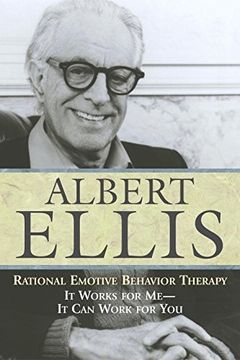
portada Rational Emotive Behavior Therapy: It Works for me - it can Work for you (Psychology)
Type
Physical Book
Language
English
Pages
270
Format
Paperback
Weight
1
ISBN
1591021847
ISBN13
9781591021841

Rational Emotive Behavior Therapy: It Works for me - it can Work for you (Psychology)

Albert Ellis (Author) · Prometheus Books · Paperback

Rational Emotive Behavior Therapy: It Works for me - it can Work for you (Psychology) - Albert Ellis

Cheaper New Book Imported to New Zealand
Delivery: 27 Aug - 09 Sep Shipping: 16 to 20 business days.
NZ$ 53.69
Faster New Book Imported to New Zealand
Delivery: 11 Aug - 18 Aug Shipping: 4 to 5 business days.
NZ$ 65.91
Import costs and 15% GST included in the price ✅
NZ$ 53.69

Synopsis "Rational Emotive Behavior Therapy: It Works for me - it can Work for you (Psychology) "

Albert Ellis, the renowned creator of one of the most successful forms of psychotherapy - Rational Emotive Behavior Therapy (REBT) - offers this candid self-assessment, which reveals how he overcame his own mental and physical problems using the techniques of REBT. Part memoir and part self-help guide, this very personal story traces the private struggles that Ellis faced from early childhood to well into his adult life. Whether you are already familiar with Ellis's many best-selling psychology books or are discovering his work for the first time, you will gain many insights into how to deal with your problems by seeing how Ellis learned to cope with his own serious challenges.In his early life, Ellis was faced with a major physical disability, chronic nephritis, which plagued him from age five to nine and led to hospitalization. This experience then caused the emotional reaction of separation anxiety. At this time he also suffered from severe, migraine-like headaches, which persisted into his forties. Later in life, he realized that some of his emotional upset was the result of initially taking parental neglect too seriously. Active and energetic by nature, he gradually learned that the best way to cope with any problem, physical or emotional, was to stop "catastrophizing" and to do something to correct it.As Ellis points out in all of his work, when faced with adversity, we must realize that we have a real choice, either to think rationally about the problem or to react irrationally. The first choice leads to healthy consequences-normal emotions such as sorrow, regret, frustration, or annoyance, which are justifiable reactions to troubling situations. The second choice leads to the unhealthy consequences of anxiety, depression, rage, and low self-esteem. When we recognize irrational beliefs as such, we must then use our reason to dispute their validity. Ellis goes on to describe how these techniques helped him to cope with many other adult emotional problems, including failure in love affairs, shame, anger, distress over his parents' divorce, stress from others' reactions to his atheistic convictions, and upset due to his attitudes about academic and professional setbacks.Honest and unflinching yet always positive and forward-looking, Ellis demonstrates how to gain and grow from trying experiences through rational thinking.
Albert Ellis
  (Author)
View Author's Page
Albert Ellis was an American psychologist who in 1955 developed Rational Emotive Behavior Therapy (REBT). He earned a master's and a doctoral degree. Bachelor's degree in clinical psychology from Columbia University and the American Board of Professional Psychology (ABPP). He also founded and was president of the Albert Ellis Institute, based in New York City, for decades.
He is generally considered one of the creators of the revolutionary cognitive paradigm shift in psychotherapy and the founder of cognitive-behavioral therapies. According to a professional survey conducted in 1982 among American and Canadian psychologists, he was considered the second most influential psychotherapist in history (Carl Rogers was first in the survey; Sigmund Freud was third).
See more
See less

Customers reviews

Frequently Asked Questions about the Book

All books in our catalog are Original.
The book is written in English.
The binding of this edition is Paperback.

Questions and Answers about the Book

Do you have a question about the book? Login to be able to add your own question.

Opinions about Bookdelivery

More customer reviews