Tracked shipping to New Zealand with premium packaging for just NZ$15 

Ship to
New Zealand
0
  • argentina
  • chile
  • colombia
  • españa
  • méxico
  • perú
  • estados unidos
  • internacional

Select your country

Americas

Europe

Rest of the world

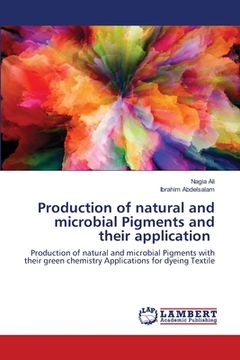
portada Production of natural and microbial Pigments and their application
Type
Physical Book
Language
English
Pages
72
Format
Paperback
Dimensions
22.9x15.2x0.4 cm
Weight
0.12 kg.
ISBN13
9786203201550

Production of natural and microbial Pigments and their application

Nagia Ali (Author) · Ibrahim Abdelsalam (Author) · LAP Lambert Academic Publishing · Paperback

Production of natural and microbial Pigments and their application - Ali, Nagia ; Abdelsalam, Ibrahim

Cheaper New Book Imported to New Zealand
Delivery: 07 Dec - 14 Dec Shipping: 13 to 14 business days.
NZ$ 103.00
Faster New Book Imported to New Zealand
Delivery: 25 Nov - 02 Dec Shipping: 5 to 6 business days.
NZ$ 110.06
Import costs and 15% GST included in the price ✅
NZ$ 103.00

Synopsis "Production of natural and microbial Pigments and their application"

A renewed international interest has focused on natural dyes due to increased awareness of the environmental and health hazards associated with the use of synthetic dyes. there is an interest in the development of pigments obtained from natural sources. Natural dyes are mostly eco-friendly, biodegradable, less toxic, and less allergenic as compared to synthetic dyes. Recent research efforts are made to replace synthetic pigments with natural pigments from plant, animals and microorganisms. Some microbial pigments have numerous beneficial properties involving anticancer, anti-proliferative, immune-suppressive, antibiotic, biodegradability etc. Many microorganisms, including bacteria, fungi, yeast are employed for the industrial production of various pigments by using fermentation technology..The recent studies are interested in the pigment produced by microorganismssuchs as carotenoids, melanins, flavones, quinines, prodigiosin, and monascins. Many yeasts like Rhodotorula(pink), Yarrowialipolytica(brown), Cryptococcus (red) and Phaffiarhodozyma(carotenoids) are good source of microbial pigments. The pigment production by molds of Monascus group especially Monascuspurpureusand Monascusankafor use as a good color is well known for red color. The algae which produce pigments are Chlorococcum, Chlamydomonas, Chlorella, Hematococcusiand Sporangium. Another algae namely, Dunaliellasalinabelonging to class chlorophylaceae occur in marine environment and produces β-carotene which can be used as food colorant.

Customers reviews

Frequently Asked Questions about the Book

All books in our catalog are Original.
The book is written in English.
The binding of this edition is Paperback.

Questions and Answers about the Book

Do you have a question about the book? Login to be able to add your own question.

Opinions about Bookdelivery

More customer reviews