Tracked shipping to New Zealand with premium packaging for just NZ$15 

Ship to
New Zealand
0
  • argentina
  • chile
  • colombia
  • españa
  • méxico
  • perú
  • estados unidos
  • internacional

Select your country

Americas

Europe

Rest of the world

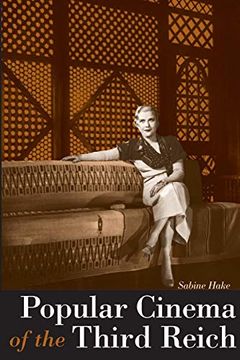
portada Popular Cinema of the Third Reich
Type
Physical Book
Year
2002
Language
English
Pages
272
Format
Paperback
Weight
1.05
ISBN
9780292734586
ISBN13
9780292734586

Popular Cinema of the Third Reich

Sabine Hake (Author) · University Of Texas Press · Paperback

Popular Cinema of the Third Reich - Sabine Hake

Cheaper New Book Imported to New Zealand
Delivery: 11 Aug - 19 Aug Shipping: 11 to 13 business days.
NZ$ 68.08
Faster New Book Imported to New Zealand
Delivery: 30 Jul - 06 Aug Shipping: 3 to 4 business days.
NZ$ 84.79
Import costs and 15% GST included in the price ✅
NZ$ 68.08

Synopsis "Popular Cinema of the Third Reich "

Too often dismissed as escapist entertainment or vilified as mass manipulation, popular cinema in the Third Reich was in fact sustained by well-established generic conventions, cultural traditions, aesthetic sensibilities, social practices, and a highly developed star system—not unlike its Hollywood counterpart in the 1930s. This pathfinding study contributes to the ongoing reassessment of Third Reich cinema by examining it as a social, cultural, economic, and political practice that often conflicted with, contradicted, and compromised the intentions of the Propaganda Ministry. Nevertheless, by providing the illusion of a public sphere presumably free of politics, popular cinema helped to sustain the Nazi regime, especially during the war years.Rather than examining Third Reich cinema through overdetermined categories such as propaganda, ideology, or fascist aesthetics, Sabine Hake concentrates on the constituent elements shared by most popular cinemas: famous stars, directors, and studios; movie audiences and exhibition practices; popular genres and new trends in set design; the reception of foreign films; the role of film criticism; and the representation of women. She pays special attention to the forced coordination of the industry in 1933, the changing demands on cinema during the war years, and the various ways of coming to terms with these filmic legacies after the war. Throughout, Hake's findings underscore the continuities among Weimar, Third Reich, and post-1945 West German cinema. They also emphasize the codevelopment of German and other national cinemas, especially the dominant Hollywood model.

Customers reviews

Frequently Asked Questions about the Book

All books in our catalog are Original.
The book is written in English.
The binding of this edition is Paperback.

Questions and Answers about the Book

Do you have a question about the book? Login to be able to add your own question.

Opinions about Bookdelivery

More customer reviews