Tracked shipping to New Zealand with premium packaging for just NZ$15 

Ship to
New Zealand
0
  • argentina
  • chile
  • colombia
  • españa
  • méxico
  • perú
  • estados unidos
  • internacional

Select your country

Americas

Europe

Rest of the world

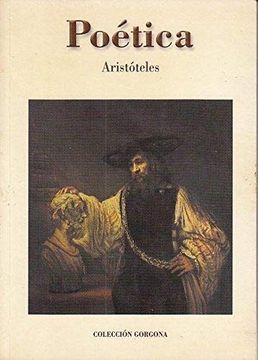
portada Poetica (in Spanish)
Type
Physical Book
Publisher
Year
2002
Language
Spanish
Pages
94
Format
Paperback
ISBN
8495314800
ISBN13
9788495314802
Edited in
España

Poetica (in Spanish)

Aristóteles (Author) · Tilde · Paperback

Poetica (in Spanish) - Aristóteles

New Book Imported to New Zealand
Delivery: 02 Sep - 14 Sep Shipping: 17 to 21 business days.
NZ$ 63.89
Used BookGood Condition Imported to New Zealand
Delivery: 21 Aug - 04 Sep Shipping: 10 to 15 business days.
NZ$ 58.02
Import costs and 15% GST included in the price ✅
NZ$ 63.89

Synopsis "Poetica (in Spanish)"

traducción cuidadosa de la famosa obra del filósofo de estagira, primera reflexión histórica sobre el fenómeno literario y sobre los fundamentos de la estética y los géneros literarios. incluye un ensayo introductorio de argimiro martín sobre la repercusión, significado e influjo de la poética en la teoría y práctica literarias a lo largo de la historia.

reseñas de prensa sobre la obra:


poética de aristóteles, recordamos lo que garcía gual comentaba en babelia (el país, 25-3-2000):

«tenemos al menos media docena de versiones castellanas del famoso texto de aristóteles, tan decisivo para toda teoría literaria. la última traducción refleja bien, con literalidad y en un lenguaje actual, el estilo seco, preciso y escueto de estos apuntes de tan perdurable y eficaz influencia. conviene destacar, por otra parte, la introducción, extensa y referida a la teoría crítica más actual. sitúa el texto aristotélico en relación con las corrientes últimas de la teoría de la literatura y sus representantes españoles más conspicuos, con acentos sugestivos y destacada erudición.»
Aristóteles
  (Author)
View Author's Page
Aristotle (Stagira, 384 BC-Chalcis, 322 BC) was a philosopher, polymath, and Greek scientist born in the city of Stagira, in the north of Ancient Greece. He is considered, along with Plato, the father of Western philosophy. His ideas have had a huge influence on the intellectual history of the West for more than two millennia.

He was a disciple of Plato and other thinkers, such as Eudoxus of Cnidus, during the twenty years he was at the Academy of Athens. Shortly after Plato's death, Aristotle left Athens to be the tutor of Alexander the Great in the Kingdom of Macedonia for almost 5 years. In the last stage of his life, he founded the Lyceum in Athens, where he taught until a year before his death.

Aristotle wrote about 200 works, of which only 31 have been preserved (none of them intended for publication) in the Corpus Aristotelicum on a wide variety of topics, including: logic, metaphysics, philosophy of science, ethics, political philosophy, aesthetics, rhetoric, physics, astronomy, and biology. Aristotle transformed many, if not all, of the areas of knowledge he addressed. He is recognized as the founding father of logic and biology, since although there are reflections and writings on both subjects before him, it is in Aristotle's work that the first systematic investigations are found. Aristotle has also been called the father of political science, zoology, embryology, natural law, scientific method, rhetoric, psychology, realism, criticism, individualism, teleology, and meteorology.
See more
See less

Customers reviews

Frequently Asked Questions about the Book

All books in our catalog are Original.
The book is written in Spanish.
The binding of this edition is Paperback.

Questions and Answers about the Book

Do you have a question about the book? Login to be able to add your own question.

Opinions about Bookdelivery

More customer reviews