Tracked shipping to New Zealand with premium packaging for just NZ$15 

Ship to
New Zealand
0
  • argentina
  • chile
  • colombia
  • españa
  • méxico
  • perú
  • estados unidos
  • internacional

Select your country

Americas

Europe

Rest of the world

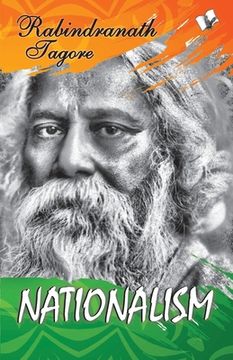
portada Nationalism
Type
Physical Book
Language
English
Pages
90
Format
Paperback
Dimensions
21.6x14x0.5 cm
Weight
0.11 kg.
ISBN13
9789357943444

Nationalism

Rabindranath Tagore (Author) · V & S Publisher · Paperback

Nationalism - Rabindranath Tagore

New Book Imported to New Zealand
Delivery: 18 Sep - 25 Sep Shipping: 5 to 6 business days.
NZ$ 47.22
Import costs and 15% GST included in the price ✅
NZ$ 47.22

Synopsis "Nationalism"

Nationalism is a collection of lectures delivered by Rabindranath Tagore in Japan, in 1916. This collection is divided into three essays: Nationalism in Japan, Nationalism in the West, and Nationalism in India. During the time when these lectures were delivered, the First World War was unfolding. Tagore's lectures critiquing nationalism led to a mixed response. The lectures critique the concepts of nation and nationalism that turn men and women away from their self-sacrificing and creative nature. Tagore cautions us against aggressive imperialistic tendencies of nationalism found in the West and Japan. He proposes an alternate definition of nationalism for India-one that is shaped through the works of medieval mystics, poets and spiritual figures, such as Guru Nanak, Sant Kabir Das, and Chaitanya Mahaprabhu. Tagore's thoughts on nation and nationalism bore a lasting influence on Mahatma Gandhi and Jawaharlal Nehru. Interestingly, Tagore criticized Gandhi's Non-cooperation Movement as narrow, and dangerous. In his infamous meeting with Gandhi in 1921, he focused on India's hospitality and the country's potential to contribute towards creating a more united world. These discussions helped Gandhi rework the meaning of nationalism. Tagore's ideas on diversity and inclusivity went on to help Nehru shape up his vision of India as a synthesis between tradition and modernity.
Rabindranath Tagore
  (Author)
View Author's Page
Rabindranath Tagore (Calcutta, India, May 7, 1861 – Santiniketan, August 7, 1941) was a Bengali poet, philosopher, musician, novelist, playwright, and educator, considered one of the most influential literary figures of modern India and the world. Son of a cultured and prominent family, Tagore received an education rich in literature, art, and both Eastern and Western thought. He was the first non-European writer to win the Nobel Prize in Literature in 1913, for his work Gitanjali (“Song Offerings”), a collection of spiritual and philosophical poems.

Tagore wrote in Bengali and English, addressing themes such as love, spirituality, freedom, and cultural identity. His work spans over a thousand poems, novels, short stories, songs, and essays. He composed the lyrics for the national anthems of India (Jana Gana Mana) and Bangladesh (Amar Shonar Bangla), highlighting his cultural and political influence.

Additionally, he founded the Visva-Bharati school and university, with a humanist and universalist approach. Tagore traveled extensively, promoting intercultural dialogue and criticizing colonialism. His legacy combines art, pedagogy, and spirituality, and continues to inspire generations of readers and thinkers.
See more
See less

Customers reviews

Frequently Asked Questions about the Book

All books in our catalog are Original.
The book is written in English.
The binding of this edition is Paperback.

Questions and Answers about the Book

Do you have a question about the book? Login to be able to add your own question.

Opinions about Bookdelivery

More customer reviews