Tracked shipping to New Zealand with premium packaging for just NZ$15 

Ship to
New Zealand
0
  • argentina
  • chile
  • colombia
  • españa
  • méxico
  • perú
  • estados unidos
  • internacional

Select your country

Americas

Europe

Rest of the world

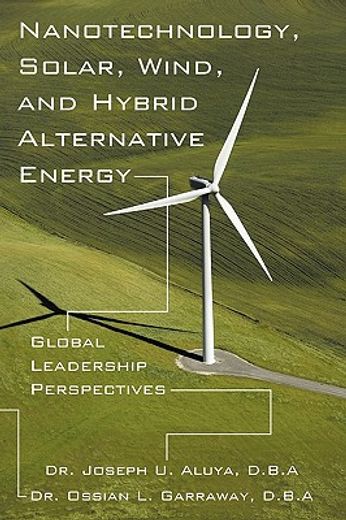
portada nanotechnology solar wind and hybrid alternative energy,global leadership perspectives
nanotechnology solar wind and hybrid alternative energy,global leadership perspectivesnanotechnology solar wind and hybrid alternative energy,global leadership perspectives
Type
Physical Book
Publisher
Year
2010
Language
English
Pages
100
Format
Paperback
Dimensions
22.9 x 15.2 x 0.6 cm
Weight
0.16 kg.
ISBN
1452004293
ISBN13
9781452004297

nanotechnology solar wind and hybrid alternative energy,global leadership perspectives

Joseph U. Aluya D. B. a. (Author) · Ossian L. Garraway D. B. a. (Author) · Authorhouse · Paperback

nanotechnology solar wind and hybrid alternative energy,global leadership perspectives - Aluya D. B. a., Joseph U. ; Garraway D. B. a., Ossian L.

New Book Imported to New Zealand
Delivery: 07 Jul - 14 Jul Shipping: 4 to 5 business days.
NZ$ 44.12
Import costs and 15% GST included in the price ✅
NZ$ 44.12

Synopsis "nanotechnology solar wind and hybrid alternative energy,global leadership perspectives"

In this book, the global implications of solar, wind, or hybrid as an alternative energy is critically examined and explained. In Brazil, China, Canada, Cuban, Germany, Nigeria, Swiss, and the United States, leadership styles affect finding alternative sources of energy that will complement fossil fuels, hydro, or nuclear power supply. We explain, contrast, and compare various global leadership perspectives as its affect alternative energy sources. Leadership styles and political considerations become the trajectories in the introduction of innovative disruptive technologies. Seven billion people worldwide have inadequate supply of energy (United Nations, 2010). In developing nations, hydropower supply has resulted in consistent brown outs. In developed nations, the lack of clean nuclear power raises safety concerns. In rural areas in developed nations, fossil fuels, hydropower, and nuclear power have not met the demand for energy supply (Jeter, 2004; Ogden, 1999). The background of solar, wind, and nanotechnologies are congruently explained. Nanotechnology is introduced and elements within the innovative systems are considered disruptive technologies. Nanotechnology as a disruptive technology includes capability of self-replicating machines, robots, and the production of molecular sized computers (Merkle, 2009; Uldrich, 200). Nanotechnology as a disruptive technology also has the capacity to improve human lives globally. Hypothesis deduced from this study revealed that solar, wind, or hybrid could not replace hydropower or nuclear power, rather should complement the existing energy supply. Solar, wind, or hybrid should however disrupt the existing systems to the point of setting new paradigm; to shifting new frontiers in global mindset and reasoning (Martins, Ruther, Pereira, & Abreu, 2008). Situational leadership style trumps other form of leadership styles in the implementations of alternative energy and while introducing nanotech from proposal to fruition. We conclude this study by explaining factors embedded in the decision-making processes of introducing the benefits of alternative energy globally.

Customers reviews

Frequently Asked Questions about the Book

All books in our catalog are Original.
The book is written in English.
The binding of this edition is Paperback.

Questions and Answers about the Book

Do you have a question about the book? Login to be able to add your own question.

Opinions about Bookdelivery

More customer reviews