Tracked shipping to New Zealand with premium packaging for just NZ$15 

Ship to
New Zealand
0
  • argentina
  • chile
  • colombia
  • españa
  • méxico
  • perú
  • estados unidos
  • internacional

Select your country

Americas

Europe

Rest of the world

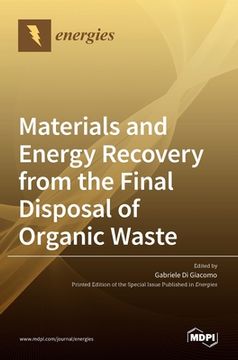
portada Materials and Energy Recovery from the Final Disposal of Organic Waste
Type
Physical Book
Publisher
Language
English
Pages
184
Format
Hardcover
Dimensions
24.4 x 17.0 x 1.6 cm
Weight
0.60 kg.
ISBN13
9783036528526

Materials and Energy Recovery from the Final Disposal of Organic Waste

Di Giacomo, Gabriele (Author) · Mdpi AG · Hardcover

Materials and Energy Recovery from the Final Disposal of Organic Waste - Di Giacomo, Gabriele

New Book Imported to New Zealand
Delivery: 14 Aug - 21 Aug Shipping: 5 to 6 business days.
NZ$ 115.62
Import costs and 15% GST included in the price ✅
NZ$ 115.62

Synopsis "Materials and Energy Recovery from the Final Disposal of Organic Waste"

The book is a collection of scientific contributions that highlight how scientific and technological evolution can change the paradigm of organic waste as an environmental problem into a renewable resource of energy and materials.Numerous researchers and research institutions that are located in different countries with varying levels of socio-economic development and other traditions were involved in this work.The materials that were considered include household waste, including human excreta and those generated by typical urban activities. The organic waste was derived from the agro-industrial sector and from packaging labelled as being biodegradable. Problems related to the detoxification of aquatic plants are discussed and the use of these plants for their ability to produce biomethane is documented simultaneously. An organic waste management strategy that was developed in the Albania context is also presented and discussed.Anaerobic digestion is one of the most widely studied technologies in this field, and this process is responsible for the production of biogas or methane, even in fossil resource-rich countries. On the other hand, aerobic fermentation is considered for the degradation of very toxic organic substances that can be dissolved into aqueous solutions that aid in the recovery of valuable materials from electrical and electronic equipment that do not have further use.There are a wide range of arguments and experiences that support the use of waste as a resource through disposal with simultaneous energy enhancement and the production of new materials, thus limiting the use of non-renewable resources for more sustainable development for the benefit of future generations.

Customers reviews

Frequently Asked Questions about the Book

All books in our catalog are Original.
The book is written in English.
The binding of this edition is Hardcover.

Questions and Answers about the Book

Do you have a question about the book? Login to be able to add your own question.

Opinions about Bookdelivery

More customer reviews