Tracked shipping to New Zealand with premium packaging for just NZ$15 

Ship to
New Zealand
0
  • argentina
  • chile
  • colombia
  • españa
  • méxico
  • perú
  • estados unidos
  • internacional

Select your country

Americas

Europe

Rest of the world

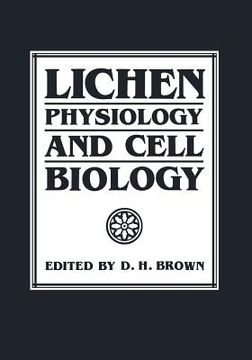
portada Lichen Physiology and Cell Biology
Type
Physical Book
Publisher
Language
English
Pages
374
Format
Paperback
Dimensions
25.4 x 17.8 x 2.0 cm
Weight
0.66 kg.
ISBN13
9781461295266

Lichen Physiology and Cell Biology

D. H. Brown (Author) · Springer · Paperback

Lichen Physiology and Cell Biology - Brown, D. H.

Cheaper New Book Imported to New Zealand
Delivery: 21 Aug - 03 Sep Shipping: 12 to 16 business days.
NZ$ 224.27
Faster New Book Imported to New Zealand
Delivery: 11 Aug - 18 Aug Shipping: 4 to 5 business days.
NZ$ 303.66
Import costs and 15% GST included in the price ✅
NZ$ 224.27

Synopsis "Lichen Physiology and Cell Biology"

It is currently impossible to grow lichens under controlled conditions in the laboratory in sufficient quantity for physiological experiments. Lichen growth is slow and conditions which might accelerate the process tend to favour either the algal or fungal partner, resulting in the breakdown of balance symbiosis. Lichen physiologists are therefore forced to use field-grown material with all the problems associated with the unknown influences of unpredictable and unreproducible climatic conditions. Study of major biochemical topics, such as the nature of the carbohydrate and nitrogenous compounds passing between the symbionts, is less influenced by climatic conditions than the intrinsic nature of the symbionts and many advances have been made in these areas. Recently, the challenge of using field-grown plant material, the physiological status of which is intimately linked to environmental conditions, has proved to be a stimulus rather than a hindrance to a number of research groups. The occurrence of lichens in extreme habitats has prompted a number of field and laboratory studies with material from such diverse localities as the cold deserts of Antarctica and the temperate rain forests of the New Zealand bush. A comparative approach, using contrasted species or habitats from a particular geographical region has yielded much information and an appreciation of the variety of physiological adaptations which may exist. The close linkage between morphology and physiology is now being directly demonstrated, as is the relevance of ultrastructural information.

Customers reviews

Frequently Asked Questions about the Book

All books in our catalog are Original.
The book is written in English.
The binding of this edition is Paperback.

Questions and Answers about the Book

Do you have a question about the book? Login to be able to add your own question.

Opinions about Bookdelivery

More customer reviews