Tracked shipping to New Zealand with premium packaging for just NZ$15 

Ship to
New Zealand
0
  • argentina
  • chile
  • colombia
  • españa
  • méxico
  • perú
  • estados unidos
  • internacional

Select your country

Americas

Europe

Rest of the world

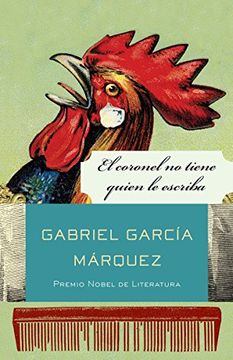
portada El Coronel no Tiene Quien le Escriba (in Spanish)
Type
Physical Book
Year
2010
Language
Spanish
Pages
98
Format
Paperback
Dimensions
20.3x13.5x0.8 cm
Weight
0.14 kg.
ISBN
9780307475442
ISBN13
9780307475442
Edition No.
1

El Coronel no Tiene Quien le Escriba (in Spanish)

Gabriel García Márquez (Author) · Vintage Espanol · Paperback

El Coronel no Tiene Quien le Escriba (in Spanish) - Gabriel García Márquez

New Book Imported to New Zealand
Delivery: 20 Oct - 27 Oct Shipping: 4 to 5 business days.
NZ$ 44.24
Import costs and 15% GST included in the price ✅
NZ$ 44.24

Synopsis "El Coronel no Tiene Quien le Escriba (in Spanish)"

El coronel no tiene quien le escriba fue escrita por Gabriel García Márquez durante su estancia en París, adonde había llegado como corresponsal de prensa y con la secreta intención de estudiar cine, a mediados de los años cincuenta. El cierre del periódico para el que trabajaba le sumió en la pobreza, mientras redactaba en tres versiones distintas esta excepcional novela, que fue rechazada por varios editores antes de su publicación. Tras el barroquismo faulkneriano de La hojarasca, esta segunda novela supone un paso hacia la ascesis, hacia la economía expresiva, y el estilo del escritor se hace más puro y transparente. Se trata también de una historia de injusticia y violencia: un viejo coronel retirado va al puerto todos los viernes a esperar la llegada de la carta oficial que responda a la justa reclamación de sus derechos por los servicios prestados a la patria. Pero la patria permanece muda. ENGLISH DESCRIPTION The novel, written between 1956 and 1957 while living in Paris, and first published in 1961, is the story of an impoverished, retired colonel, a veteran of the Thousand Days' War, who still hopes to receive the pension he was promised some fifteen years earlier. The colonel lives with his asthmatic wife in a small village under martial law. The action opens with the colonel preparing to go to the funeral of a town musician whose death is notable because he was the first to die from natural causes in many years. The main characters of the novel are not named, adding to the feeling of insignificance of an individual living in Colombia. The colonel and his wife, who have lost their son to political repression, are struggling with poverty and financial instability. The corruption of the local and national officials is evident and this is a topic which García Márquez explores throughout the novel, by using references to censorship and the impact of government on society. The colonel desperately tries to sell their inheritance from their only son who is now dead and eventually the only reminder of his existence is a rooster that the colonel trains to take part in a cockfight.
Gabriel García Márquez
  (Author)
View Author's Page
Gabriel García Márquez (1927-2014), son of the Colombian Caribbean and immortal voice of Spanish narrative, is one of the most influential literary minds of the 20th century. Winner of the Nobel Prize in Literature in 1982, his talent transcended the boundaries of paper: he was a novelist, short story writer, essayist, screenwriter, film critic, and above all, a thinker committed to the pains and hopes of his homeland and all of Latin America. Architect of magical realism, he masterfully wove the everyday and the fantastic, making reality blur among yellow butterflies, eternal rains, and towns where the impossible was part of everyday life. His work gave life to a unique narrative universe, where history breathes, dreams, and bleeds intensely.

Among his most emblematic titles are One Hundred Years of Solitude, No One Writes to the Colonel, Chronicle of a Death Foretold, The General in His Labyrinth, Love in the Time of Cholera, and Strange Pilgrims, among others. In 2002 he opened the door to his memory with Living to Tell the Tale. In 2012, All the Stories were published, and, as if literary destiny refused to close the curtain on him, in 2024 his posthumous and unpublished novel See You in August was released.
See more
See less

Customers reviews

Frequently Asked Questions about the Book

All books in our catalog are Original.
The book is written in Spanish.
The binding of this edition is Paperback.

Questions and Answers about the Book

Do you have a question about the book? Login to be able to add your own question.

Opinions about Bookdelivery

More customer reviews