Tracked shipping to New Zealand with premium packaging for just NZ$15 

Ship to
New Zealand
0
  • argentina
  • chile
  • colombia
  • españa
  • méxico
  • perú
  • estados unidos
  • internacional

Select your country

Americas

Europe

Rest of the world

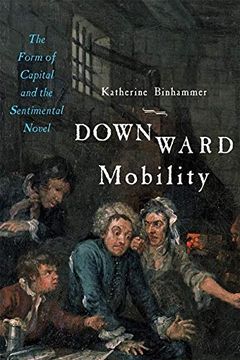
portada Downward Mobility: The Form of Capital and the Sentimental Novel
Type
Physical Book
Year
2020
Language
English
Pages
256
Format
Paperback
Dimensions
22.6 x 15.0 x 1.8 cm
Weight
0.36 kg.
ISBN13
9781421437613

Downward Mobility: The Form of Capital and the Sentimental Novel

Katherine Binhammer (Author) · Johns Hopkins University Press · Paperback

Downward Mobility: The Form of Capital and the Sentimental Novel - Binhammer, Katherine

New Book Imported to New Zealand
Delivery: 07 Aug - 13 Aug Shipping: 2 to 2 business days.
NZ$ 66.48
Import costs and 15% GST included in the price ✅
NZ$ 66.48

Synopsis "Downward Mobility: The Form of Capital and the Sentimental Novel"

How do the stories we tell about money shape our economies?Beginning in the late eighteenth century, as constant growth became the economic norm throughout Europe, fictional stories involving money were overwhelmingly about loss. Novel after novel tells the tale of bankruptcy and financial failure, of people losing everything and ending up in debtor's prison, of inheritances lost and daughters left orphaned and poor. In Downward Mobility, Katherine Binhammer argues that these stories of ruin are not simple tales about the losers of capitalism but narratives that help manage speculation of capital's inevitable collapse.Bringing together contemporary critical finance studies with eighteenth-century literary history, Binhammer demonstrates the centrality of the myth of downward mobility to the cultural history of capitalism--and to the emergence of the novel in Britain. Deftly weaving economic history and formal analysis, Binhammer reveals how capitalism requires the novel's complex techniques to render infinite economic growth imaginable. She also explains why the novel's signature formal developments owe their narrative dynamics to the contradictions within capital's form. Combining new archival research on the history of debt with original readings of sentimental novels, including Frances Burney's Cecilia and Camilla, Sarah Fielding's David Simple, and Oliver Goldsmith's The Vicar of Wakefield, Downward Mobility registers the value of literary narrative in interpreting the complex sequences behind financial capitalism, especially the belief in infinite growth that has led to current environmental crises. An audacious epilogue arms humanists with the argument that, in order to save the planet from unsustainable growth, we need to read more novels.

Customers reviews

Frequently Asked Questions about the Book

All books in our catalog are Original.
The book is written in English.
The binding of this edition is Paperback.

Questions and Answers about the Book

Do you have a question about the book? Login to be able to add your own question.

Opinions about Bookdelivery

More customer reviews