Tracked shipping to New Zealand with premium packaging for just NZ$15 

Ship to
New Zealand
0
  • argentina
  • chile
  • colombia
  • españa
  • méxico
  • perú
  • estados unidos
  • internacional

Select your country

Americas

Europe

Rest of the world

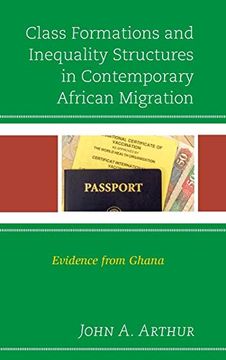
portada Class Formations and Inequality Structures in Contemporary African Migration: Evidence From Ghana (African Migration and Diaspora Series)
Type
Physical Book
Year
2014
Language
English
Pages
296
Format
Hardcover
ISBN13
9781498503839

Class Formations and Inequality Structures in Contemporary African Migration: Evidence From Ghana (African Migration and Diaspora Series)

John A. Arthur (Author) · Lexington Books · Hardcover

Class Formations and Inequality Structures in Contemporary African Migration: Evidence From Ghana (African Migration and Diaspora Series) - John A. Arthur

New Book Imported to New Zealand
Delivery: 17 Aug - 24 Aug Shipping: 4 to 5 business days.
NZ$ 368.83
Import costs and 15% GST included in the price ✅
NZ$ 368.83

Synopsis "Class Formations and Inequality Structures in Contemporary African Migration: Evidence From Ghana (African Migration and Diaspora Series) "

This book examines the influences of social class and inequality structures on migration in Africa using information from Ghana. As the country achieves moderate to significant economic gains driven (in part) by the country's diaspora communities, the desire to migrate has intensified. Migration is now synonymous with social mobility and self-improvement. It has been found that existing class and status inequalities are analytically inseparable from the social and cultural processes underpinning the motivations behind Ghanaian migration. Migrant class and socioeconomic attributes are closely intertwined, reinforcing and operating at every level of the migration decision-making to influence the motivation to migrate, the type and form of migration, the direction of the migration, its timing, and ultimately the outcomes and expectations that migrants associate with their decision to migrate. From a historical and contemporary perspective, this book argues that power and class-based structural relationships are significant components in understanding how migratory diasporas shape and are shaped in turn by social class and inequality. The social class identities that Ghanaian immigrants manifest in the United States are often based on immigrant formulations and importation of class dynamics from the home country. These identities are then transformed in the countries of destination and replayed or relived back home, thereby creating multiple class identities that are powerful forces in inducing social changes. In essence, migrant social class attributes formed before and post-migration is significant because it holds the possibilities of transforming the social structures of migrant-sending countries. As migrants return home and seek reintegration into the body polity of the home society, conflicts emanating from changes in their class dynamics may hinder or promote sociocultural and economic development. Hence, the imperative of the central government is to understand and incorporate into national development planning the social class characteristics of its citizens who are leaving, as well as those who are returning.

Customers reviews

Frequently Asked Questions about the Book

All books in our catalog are Original.
The book is written in English.
The binding of this edition is Hardcover.

Questions and Answers about the Book

Do you have a question about the book? Login to be able to add your own question.

Opinions about Bookdelivery

More customer reviews