
Ship to
New Zealand
Select your location
Shipping costs will be calculated based on this address throughout the site.
Shipping costs will be calculated based on this address throughout the site.
Select your country
Americas
Argentina
Brazil
Canada
Chile
Colombia
Costa Rica
Dominican Republic
Ecuador
El Salvador
Mexico
Peru
U.S.A.
Uruguay
Europe
Austria
Belgium
Croatia
Czech Republic
Denmark
Finland
France
Germany
Greece
Hungary
Ireland
Italy
Latvia
Malta
Netherlands
Norway
Poland
Portugal
Serbia
Slovakia
Slovenia
Spain
Sweden
Switzerland
United Kingdom
Rest of the world
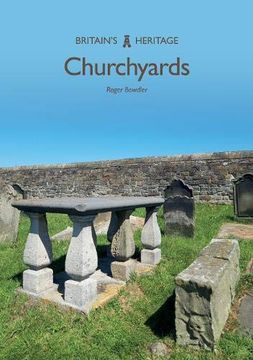
Churchyards (Britain's Heritage)
Roger Bowdler
Churchyards (Britain's Heritage)
Roger Bowdler (Author) · Amberley Publishing · Paperback
Churchyards (Britain's Heritage)
Roger Bowdler
Do you have a question about the book? Login to be able to add your own question.
