Tracked shipping to New Zealand with premium packaging for just NZ$15 

Ship to
New Zealand
0
  • argentina
  • chile
  • colombia
  • españa
  • méxico
  • perú
  • estados unidos
  • internacional

Select your country

Americas

Europe

Rest of the world

portada Applied Biotechnology for Emerging Pollutants Remediation and Energy Conversion
Type
Physical Book
Publisher
Language
English
Pages
364
Format
Hardcover
Dimensions
23.4 x 15.6 x 2.2 cm
Weight
0.71 kg.
ISBN13
9789819911783

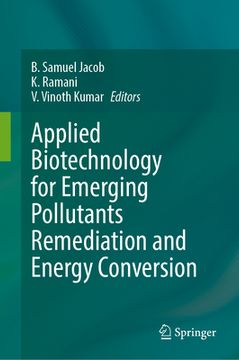
Applied Biotechnology for Emerging Pollutants Remediation and Energy Conversion

Samuel Jacob, B. ; Ramani, K. ; Vinoth Kumar, V. (Author) · Springer · Hardcover

Applied Biotechnology for Emerging Pollutants Remediation and Energy Conversion - Samuel Jacob, B. ; Ramani, K. ; Vinoth Kumar, V.

Cheaper New Book Imported to New Zealand
Delivery: 11 Aug - 21 Aug Shipping: 12 to 16 business days.
NZ$ 399.04
Faster New Book Imported to New Zealand
Delivery: 30 Jul - 06 Aug Shipping: 4 to 5 business days.
NZ$ 500.11
Import costs and 15% GST included in the price ✅
NZ$ 399.04

Synopsis "Applied Biotechnology for Emerging Pollutants Remediation and Energy Conversion"

This contributed volume comprises of detailed chapters covering the biotechnological approaches employed for the removal of toxic recalcitrant xenobiotics such as petroleum hydrocarbons, textile dyes, microplastics and synthetic polymers that pose serious threat to the environment. It also includes the waste to energy conversion strategies that provides a deep insight on the need for waste circular economy for different developing countries and its implication on sustainable development goals such as SDG 12 (responsible consumption and production) SDG 14 (Life below water); and SDG 15 (Life on land). Emerging pollutants sourced from both industries and anthropogenic activity have created havoc in recent years for public health and destruction of biodiversity at multiple levels. The alarming increase in the global population and rapid industrialization might aggravate the problems associated with these hazardous pollutants in near future. Effluent from different industries may contain high amounts of xenobiotic hazardous contaminants such as dyes, hydrocarbons, synthetic surfactants, microplastics, etc. Industries and public sewers handling such waste streams are facing a plethora of challenges in the effluent treatment and solid waste disposal due to various factors that start from production to adoption of appropriate technologies. Therefore, there is an immediate circumvention of bottlenecks through sustainable mitigation strategies. This book is of interest to teachers, researchers, climate change scientists, capacity builders and policymakers. Also, the book serves as additional reading material for undergraduate and graduate students of agriculture, forestry, ecology, soil science, and environmental sciences. National and international agricultural scientists, policy makers also find this to be a useful read.

Customers reviews

Frequently Asked Questions about the Book

All books in our catalog are Original.
The book is written in English.
The binding of this edition is Hardcover.

Questions and Answers about the Book

Do you have a question about the book? Login to be able to add your own question.

Opinions about Bookdelivery

More customer reviews